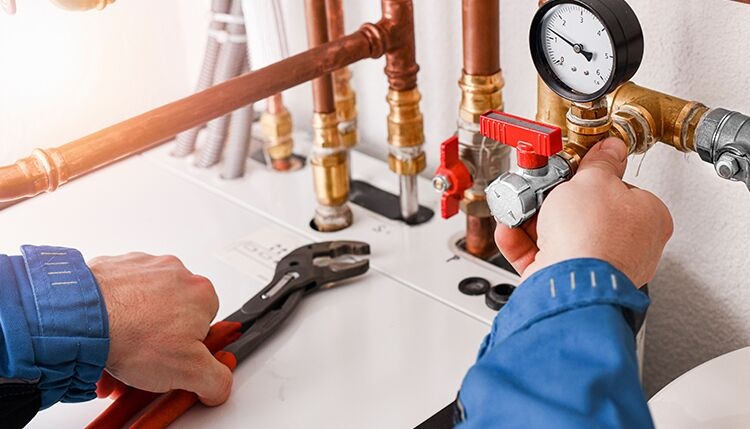

Best Techniques to Prevent Kitchen Water Leaks
Preventing kitchen water leaks is one of those challenges every homeowner faces, but few tackle with consistent discipline until trouble strikes. Over my 15 years managing facility operations and consulting on home systems, I’ve seen water leaks cause everything from minor annoyances to costly renovations. The key lesson? It’s not just about fixing leaks when they happen but putting in proactive measures that prevent them in the first place. Kitchen water leaks silently erode value and disrupt daily life, yet the solutions are often simple and effective if you know where to look.
Here’s what actually works — practical, no-nonsense techniques to keep water where it belongs.
1. Conduct Regular Inspections of Plumbing Connections
Water leaks often start as tiny drips at joints and connections. In my experience, instituting a quarterly review of all visible plumbing — especially faucet bases, dishwasher hookups, and under-sink pipes — is a game changer. Look for corrosion, mineral buildup, or worn washers. If you see turquoise stains or dampness, that’s a sign to act fast. This groundwork prevents small faults from exploding into major leaks. Tools like moisture meters have helped clients identify hidden risks early. Don’t ignore your kitchen’s plumbing during regular maintenance rounds; it’s a low-effort move with high returns.
2. Upgrade Old or Faulty Appliances
A common mistake I’ve seen in business and residential kitchens alike is delaying appliance updates. Old dishwashers or refrigerators with water lines are notorious culprits for leaks. When I once advised a client on cost-cutting, they postponed replacing a leaky fridge water line — which later caused a costly floor flood. Replacing aging fixtures with models certified for leak resistance isn’t just about efficiency; it’s about reliability. In fact, appliances with built-in leak sensors or automatic shutoff valves can mitigate damage substantially. Don’t wait for water damage to force your hand—planned upgrades save money in the long run.
3. Install Water Leak Detection Systems
Back in 2018, smart home technology was mostly a novelty for preventing leaks. Now, sensors that detect moisture and shut off water automatically are standard tools in proactive kitchen management. The data tells us incidents of major water damage drop by up to 80% in setups using these systems. From a practical standpoint, these sensors offer peace of mind, especially in high-risk areas like under sinks or near dishwashers. Some systems even connect to mobile apps for real-time alerts. Investing in leak detection technology might seem like added expense upfront, but from my perspective, it’s a must-have to avoid unexpected repairs.
4. Maintain Proper Drainage and Ventilation
I’ve observed many water leak scenarios linked not to the supply lines but poor drainage and ventilation. Kitchen sinks lacking proper drainage slope or exhausted airflow often experience slow water removal and moisture buildup. Over time, this leads to leaks and mold. A client we helped with kitchen renovations discovered that just correcting their drain pipe angle and enhancing ventilation solved persistent soggy cabinetry issues. The reality is, keeping water flowing freely out of the kitchen and air circulating reduces pressure on plumbing and prevents leaks tied to condensation or clog backups.
5. Use Quality Seals and Caulking Around Fixtures
One subtle but critical area often overlooked is the sealing around sinks and countertops. I’ve seen countless instances where old or cracking caulking allowed water to seep behind cabinets causing hidden damage. The 80/20 rule applies here: a small investment in materials and proper application results in 80% fewer leaks in these vulnerable areas. Best practice? Use high-grade silicone sealants designed for wet environments, and inspect seals annually. If you need guidance on maintaining these seals, sites like Wisconsin PR Index offer expert advice on proper materials and techniques, helping you avoid common pitfalls.
Conclusion
Look, the bottom line is preventing kitchen water leaks is about combining vigilance, technology, and maintenance habits that actually fit your lifestyle. From regular inspections to the smart adoption of technology and simple fixes like quality seals, these techniques work together to shield homes from costly damage. What I’ve learned over years of managing real properties is that proactive prevention beats emergency fixes every time. The data backs this up — smart maintenance programs can reduce water-related repairs by as much as 70%. Don’t wait for that first flood to start acting. The real question is not whether your kitchen will leak but when—and how prepared you are.
What are the common signs of a kitchen water leak?
Common signs include unexpected puddles, persistent dampness under sinks, a sudden increase in water bills, and musty odors indicating mold growth. Spotting these early can prevent extensive damage.
How often should I inspect kitchen plumbing to prevent leaks?
Quarterly inspections of all visible pipes, faucets, and appliance connections are ideal. Regular checks catch issues before they escalate into major leaks or floods.
Can smart leak detection devices really prevent kitchen water damage?
Yes, these devices detect moisture early and can automatically shut off water supply. They significantly reduce the risk of severe water damage by alerting you before leaks worsen.
What types of appliances are most likely to cause kitchen leaks?
Dishwashers, refrigerators with water dispensers, and garbage disposals commonly develop leaks due to older or faulty water connections and seals.
How important is proper sealing to prevent water leaks in kitchens?
Proper sealing around sinks and countertops is critical to prevent water from seeping into cabinets and walls, which can cause mold and structural damage over time. Regular maintenance is key.